


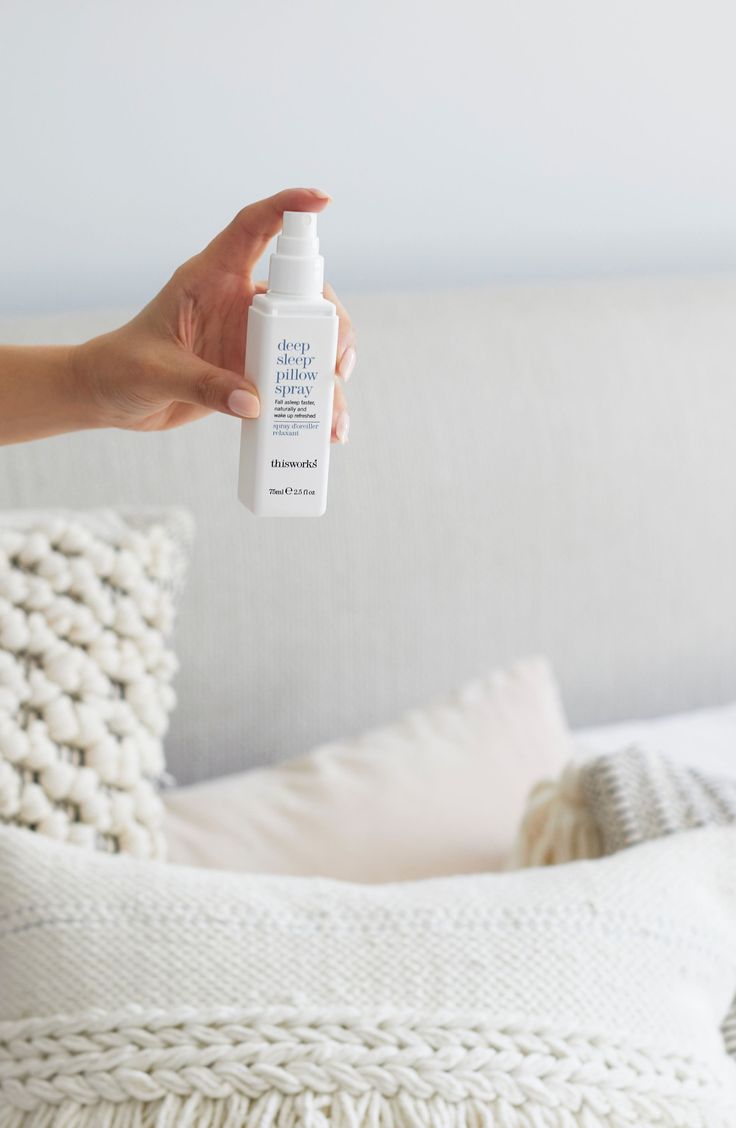
Getting a good night’s rest can feel like a mystery, especially when your mind is still racing the moment your head hits the pillow. More people are turning to simple, sensory tools to help them unwind, and a pillow spray to help sleep is one of the most accessible options out there. Spritz a little onto your pillow, breathe in, and let the scent do the work. It sounds almost too easy, but when used correctly and consistently, it becomes a quiet, powerful part of a bedtime ritual that clearly signals your body: it’s time to rest.
What Pillow Spray Does For Your Body And Mind
Pillow spray is a scented mist, typically made from essential oils, that you apply to your pillow and bedding before sleep. It works through the sense of smell, sending calming signals to the brain that encourage relaxation.
How Scent Relaxes You
When you inhale calming botanicals like lavender or chamomile, the olfactory system sends signals directly to the limbic system, the part of the brain that governs emotion and stress response. Scent reaches the brain faster than almost any other sense, which is why certain aromas can soften tension almost immediately.
Why Consistency Builds Results
Using a pillow spray once probably won’t transform your sleep overnight. The real benefit comes with repetition. When you spray the same scent at the same point in your routine every night, your brain begins to treat it as a conditioned cue. This means the body starts to relax in anticipation, even before you close your eyes.
What To Expect Realistically
Sleep spray is a support tool rather than a cure. It works best alongside other healthy sleep habits, so think of it as one piece of a puzzle rather than the whole picture.
How To Use Pillow Spray: Step By Step
Using a pillow spray correctly takes less than a minute. Follow these steps each night:
-
Shake the bottle first: Natural oils can separate over time, so a quick shake ensures the formula is properly mixed and the scent distributes evenly.
-
Hold it 20 to 30 centimetres away: Spraying too close leaves a wet patch and an overwhelming scent. Distance gives you a light, even mist.
-
Use 2 to 3 sprays only: Two or three spritzes are enough. As a result, the scent stays present rather than overpowering, which matters because a strong fragrance can disrupt sleep instead of encouraging it.
-
Wait 30 seconds before lying down: This gives the liquid a moment to dry and the scent to bloom gently into the air around your pillow.
-
Use it at the same time each night: Timing matters. In addition, pairing the spray with a consistent action, like turning off your lamp, helps reinforce the sleep cue even more strongly over time.
Where To Spray It
Pillow spray to help sleep doesn’t have to stay on the pillow itself. There are a few smart spots that extend the calming effect across your whole sleep space:
-
Pillowcase and linens: Your face rests here all night, so it’s the most effective spot. Spray lightly and evenly.
-
Duvet and blankets: A light mist on the top of your duvet adds a second layer of scent that wraps around you as you settle in.
-
Room air: Hold the bottle higher and spritz above your bed for a gentle ambient mist, especially useful in smaller rooms.
Build A Complete Bedtime Ritual
Pillow spray works hardest when it sits inside a consistent routine. The spray becomes the anchor, but the ritual is what makes it stick.
Dim The Lights
Start winding down 30 to 60 minutes before bed. Bright light suppresses melatonin production, so lowering the light levels in your room is one of the most direct ways to prepare your body for sleep.
Wind Down Gently
Choose something that takes low mental effort:
-
Read a physical book
-
Do a few minutes of gentle stretching
-
Practise slow, deep breathing
The goal is to reduce mental activity so your thoughts aren’t still running at full speed when you get into bed.
Spray Last, Then Sleep
Once you’re in bed and ready to close your eyes, that’s the moment for your spray. Using it as the very last step means the scent becomes tightly linked to the transition into sleep. This is what builds the conditioned response over time, and your brain begins to connect that particular scent with letting go.
Repeat Every Night
The ritual only works if it happens regularly. Try to follow the same sequence each night, even on weekends. Consistency is what trains the body’s internal clock and deepens the scent association, so the whole routine starts to feel automatic.
Choosing The Right Pillow Spray
Not all pillow sprays are made equally. The ingredients and formulation quality make a real difference to how effective and safe the spray is.
If you have pets or young children, check the ingredient list carefully. Some essential oils can be unsuitable around animals. People with respiratory sensitivities or allergies should patch test the spray on fabric before regular use.
Common Mistakes To Avoid
Even a good pillow spray won’t deliver results if it’s being used incorrectly. These are the most common errors:
-
Over-spraying: Two or three spritzes is the limit. Too much fragrance feels suffocating and can make it harder to relax rather than easier.
-
Spraying too close: Holding the bottle against the fabric leaves a concentrated wet spot and an uneven scent. Keep your distance for a gentle mist.
-
Using it inconsistently: The scent association only develops through nightly repetition. Reaching for the bottle once in a while won’t build the sleep cue.
-
Expecting instant results: Pillow spray supports relaxation and won’t knock you out. Give it two weeks of consistent use before judging whether it’s working.
Takeaway
Sleep is rarely fixed by one thing alone, but small, consistent habits add up. The right pillow spray to help sleep, used at the right distance, at the right point in the evening, in the same spot every night, becomes a reliable sensory anchor that tells your mind the day is done. Pair it with a proper wind-down routine, and the whole ritual becomes something your body looks forward to.
If you’re looking for a spray grounded in both nature and science, anatomē’s pillow sprays are blended from pure essential oils and botanical extracts. Each is formulated around a specific sleep challenge, whether that’s a restless mind, difficulty staying asleep, or stress-driven wakefulness. For a fuller ritual, their sensory point oils pair seamlessly with the sprays for a dual-action approach that works from the inside out.
Explore the anatomē sleep collection and find the formula that fits your nights.
