


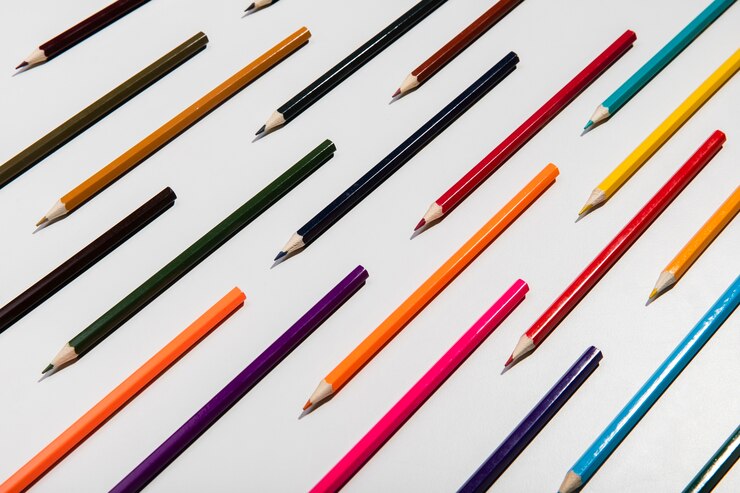
Choosing the right pencil may seem trivial, but it can significantly affect your writing and drawing experience. With so many options available, the debate between mechanical vs. wooden pencils: which one should you buy? is a common question for students, artists, and professionals alike. In this article, we’ll break down the key differences, advantages, and drawbacks to help you make an informed decision.
Understanding Mechanical Pencils
Mechanical pencils are designed with a thin, replaceable lead that advances through a push mechanism. They are favored for their precision and convenience.
Advantages of Mechanical Pencils
- Consistent Line Width: Ideal for technical drawing or detailed work.
- No Sharpening Required: Always ready to use, making them convenient for on-the-go tasks.
- Refillable Leads: Cost-effective over time since you only replace the lead, not the entire pencil.
Disadvantages of Mechanical Pencils
- Fragile Leads: The thin lead can break easily, especially under heavy pressure.
- Less Grip Variety: Some users find mechanical pencils less comfortable for prolonged writing.
Understanding Wooden Pencils
Wooden pencils are the classic option, typically made from cedar wood with a graphite core. They are versatile and widely used in schools, offices, and art studios.
Advantages of Wooden Pencils
- Variety of Hardness: Allows for different shading and line darkness, ideal for artists.
- Robust Construction: Less likely to break under pressure compared to thin mechanical leads.
- Affordable: Usually cheaper upfront than mechanical pencils.
Disadvantages of Wooden Pencils
- Require Sharpening: Regular sharpening is necessary, which can be inconvenient.
- Wear Down Over Time: You need to replace them once they become too short.
Mechanical vs. Wooden Pencils: Which One Should You Buy?
The answer depends on your usage:
- For Precision and Portability: Choose a mechanical pencil. They are perfect for students, architects, or anyone needing consistent lines without frequent interruptions.
- For Artistic Flexibility and Traditional Feel: Wooden pencils are ideal. Their range of hardness grades allows for shading, sketching, and bold strokes.
Both options have their merits, so consider your priorities: convenience vs. versatility.
Final Thoughts
When debating mechanical vs. wooden pencils: which one should you buy?, there’s no one-size-fits-all answer. Mechanical pencils offer efficiency and precision, while wooden pencils provide tactile feedback and creative flexibility. Assess your needs, and you’ll find the perfect pencil for your tasks.
