


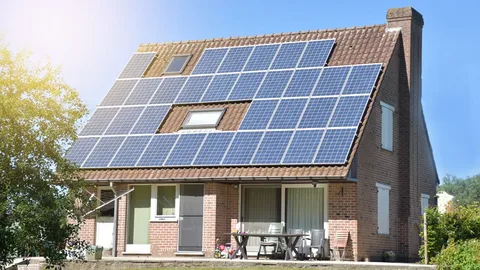
As more homeowners seek sustainable and cost-effective energy solutions, installing a DIY solar system for home has become an increasingly popular option. Solar energy not only reduces electricity bills but also minimizes environmental impact. However, before diving into the installation process, there are important factors to consider to ensure a successful and safe solar setup.
Understanding the Basics of a DIY Solar System for Homeowners
A DIY solar system for homeowners typically involves purchasing solar panels, inverters, batteries, and mounting equipment and installing them yourself without hiring professionals. While this approach can save money on labor costs, it requires a good understanding of electrical systems, tools, and local regulations.
Solar panels capture sunlight and convert it into electricity, which can be used immediately or stored in batteries for later use. The inverter converts the direct current (DC) produced by solar panels into alternating current (AC), which powers your home appliances.
Key Considerations Before Installing Your DIY Solar System
1. Evaluate Your Home’s Solar Potential
Before purchasing any equipment, assess your home’s solar potential. Factors like roof orientation, shading from trees or nearby buildings, and roof condition impact how efficiently your system will perform. Tools such as solar pathfinders or online solar calculators can help determine your roof’s suitability for solar energy.
2. Understand Local Regulations and Permits
Many areas require permits and inspections for solar installations, even DIY projects. It’s crucial to check local building codes, zoning laws, and homeowner association (HOA) guidelines. Ignoring these requirements can result in fines or forced removal of your system.
3. Choose the Right Equipment
The success of a DIY solar system for homeowners largely depends on selecting quality components. Look for panels with good efficiency ratings, reliable inverters, and durable mounting hardware. Additionally, battery storage capacity should match your energy usage and backup needs.
4. Safety First
Working with electricity and on rooftops can be hazardous. Ensure you have the proper safety gear, tools, and knowledge before attempting installation. If you’re unsure about wiring or structural integrity, consult a professional to avoid risks.
Benefits and Challenges of a DIY Solar System for Homeowners
Benefits
- Cost Savings: By handling the installation yourself, you save on professional labor costs.
- Customization: You can design the system according to your specific energy needs.
- Satisfaction: Installing your own solar system can be a rewarding project.
Challenges
- Technical Expertise Required: Electrical wiring and structural work can be complex.
- Time-Consuming: Installation can take longer without professional experience.
- Potential Warranty Issues: Some manufacturers may void warranties if installation is not done by certified installers.
Final Thoughts
A DIY solar system for homeowners can be a fantastic way to embrace renewable energy while saving money. However, thorough research, preparation, and adherence to safety and legal requirements are essential. If you approach the project with the right knowledge and tools, you’ll be well on your way to enjoying the many benefits of solar power.
