


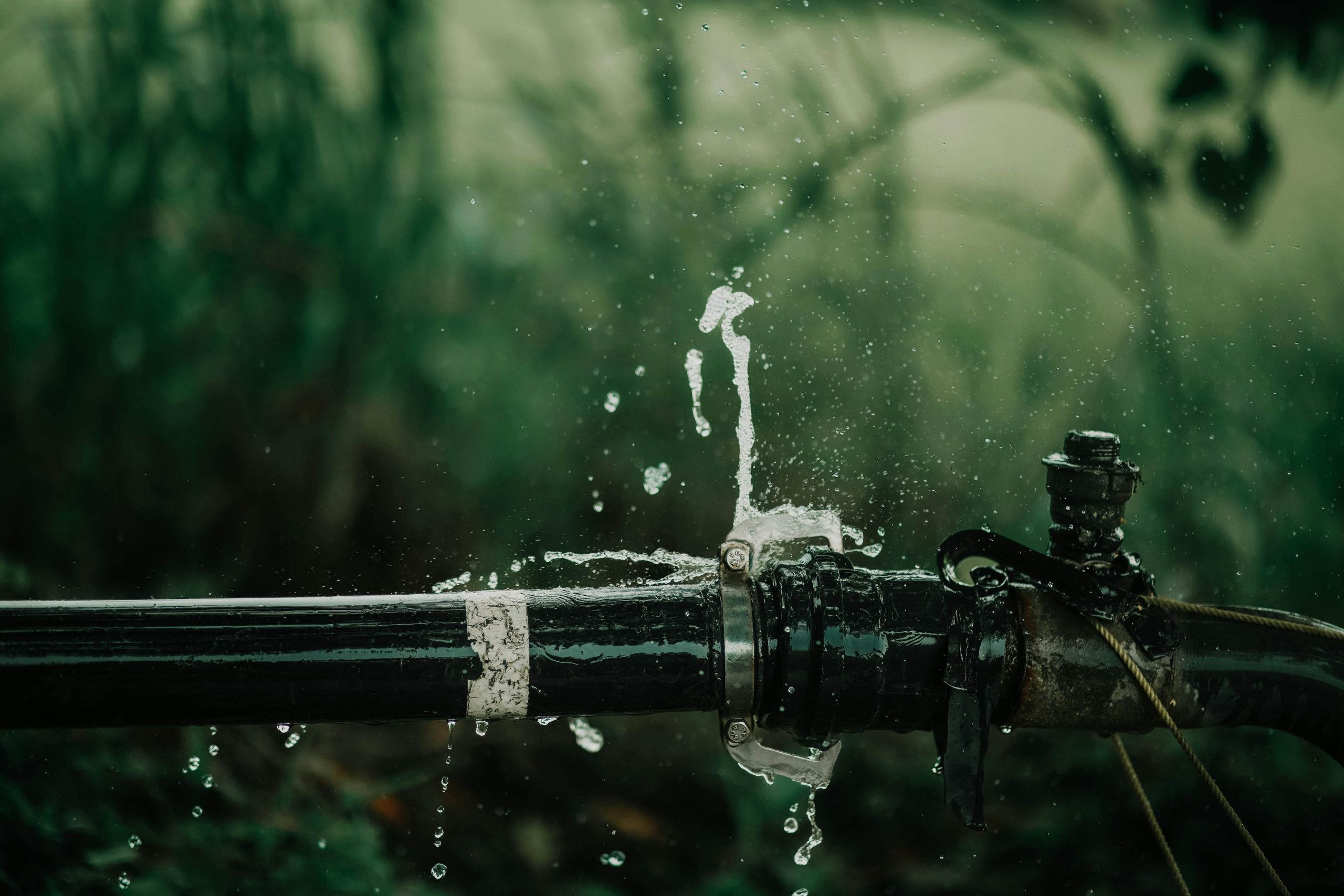
Water leaks are one of the most underestimated problems in any household. They often start small—a dripping sound behind a wall, a mysterious puddle under the sink, or an unexpectedly high water bill. But even minor leaks can lead to costly water damage, mold growth, and structural deterioration if ignored. The good news is that quick action and proper leak detection can save your home from significant repairs and wasted water. Understanding what to do when you suspect a water leak can make all the difference in preventing long-term damage.
Recognizing the Subtle Signs of a Leak
The first step in dealing with a water leak is noticing it early. Not all leaks are obvious, and many occur in hidden areas such as beneath floors, inside walls, or underground. Look out for warning signs like damp or discolored patches on ceilings, bubbling paint, or the musty smell of mildew. A sudden drop in water pressure or a hissing sound from pipes can also signal trouble.
If your water bill spikes for no apparent reason, it’s often a sign that water is escaping somewhere in your system. Don’t ignore these changes—they’re usually your home’s way of telling you that something is wrong.
Confirming That a Leak Exists
Once you suspect a leak, the next step is confirming it. An easy way to start is by turning off all water-using appliances and fixtures, including faucets, dishwashers, and washing machines. Then check your water meter. If the dial continues to move even when no water is being used, you have a leak.
To narrow down the source, you can isolate sections of your plumbing. Shut off the main valve to specific areas, such as outdoor sprinklers or bathrooms, and monitor the meter again. If it stops spinning, you’ve identified the zone with the leak. However, this is just the beginning—pinpointing the exact location often requires professional tools and expertise.
Why Professional Leak Detection Matters
While some homeowners attempt to locate leaks themselves, hidden leaks can be notoriously difficult to find without specialized equipment. Professional leak detection services use advanced technology such as thermal imaging cameras, acoustic sensors, and moisture meters to locate leaks without unnecessary wall or floor damage.
Experts can detect even the smallest leaks behind surfaces or underground by listening to the sound of escaping water or tracing temperature variations in pipes. This precision saves time and money by identifying the problem at its source. Skilled technicians, like those from companies such as Airco, combine technology and experience to locate leaks efficiently and recommend effective repairs before the situation worsens.
Immediate Actions to Take When You Discover a Leak
If you confirm that a leak is present, act quickly to minimize damage. Start by turning off your main water supply to stop the flow. If the leak is near electrical wiring or outlets, switch off the electricity in that area as well to prevent accidents.
Next, dry the affected area using towels or a wet/dry vacuum. Standing water can lead to mold within 24 to 48 hours, so it’s crucial to keep the area as dry as possible. If the leak is large or continues to release water despite shutting off the supply, contact a plumber immediately. Professional intervention can prevent extensive damage to your home’s structure and foundation.
Understanding the Hidden Dangers of Ignoring Leaks
It’s tempting to dismiss a minor leak as insignificant, but the long-term consequences can be severe. Persistent moisture weakens drywall, warps wood, and can compromise your home’s insulation. More critically, it creates an ideal environment for mold and bacteria, which can trigger allergies and respiratory problems.
In addition, water leaks waste an astonishing amount of resources. A single dripping faucet can waste hundreds of gallons per year. Over time, this leads to higher utility bills and unnecessary strain on local water supplies. Fixing leaks promptly is an environmental responsibility as much as a financial one.
Preventive Maintenance to Avoid Future Leaks
Prevention is always better than repair. Regular plumbing inspections are essential to catch potential issues before they escalate. Have a professional examine your pipes, joints, and water heater at least once a year. Check under sinks, behind toilets, and around appliances for early signs of moisture or corrosion.
Installing a water leak detection system can also add an extra layer of protection. These systems monitor water flow and automatically shut off the supply if irregular activity is detected. Some models connect to your smartphone, alerting you instantly to potential leaks, even when you’re away from home.
Another preventive measure is maintaining your home’s water pressure. High pressure can strain pipes and cause leaks over time. Installing a pressure regulator ensures your plumbing system operates safely and efficiently.
Addressing Outdoor Leaks and Irrigation Issues
Not all leaks occur indoors. Outdoor systems such as sprinklers, hoses, and main supply lines can also develop leaks. These are often harder to spot, especially when underground. Watch for unusually damp spots in your yard, patches of grass that grow faster than others, or the sound of running water near your outdoor lines.
If you notice any of these signs, have your outdoor plumbing inspected. Detecting and fixing these leaks early not only conserves water but also protects your property’s foundation and landscaping from damage.
Restoring Confidence in Your Home’s Integrity
Fixing a leak isn’t just about repairing pipes—it’s about restoring peace of mind. Once the issue is resolved, it’s wise to monitor the repaired area for a few weeks to ensure no further moisture accumulates. Proper ventilation and occasional checks can help maintain a dry, healthy home.
Taking swift action when leaks occur demonstrates proactive homeownership. It protects your investment, ensures your family’s safety, and contributes to long-term savings. By being alert and acting decisively, you turn a potential crisis into a manageable maintenance task.
Conclusion: Staying Ahead of Water Damage
Water leaks may start small, but their consequences grow quickly if left unaddressed. Recognizing early signs, confirming suspicions, and calling in professionals for accurate detection are key steps in protecting your home. Regular maintenance and preventive technology can also minimize risks before they start.
Every homeowner should view leak detection as an essential part of home care—one that preserves comfort, efficiency, and safety. Acting promptly not only saves money but also protects one of your most valuable assets: your home itself.
