


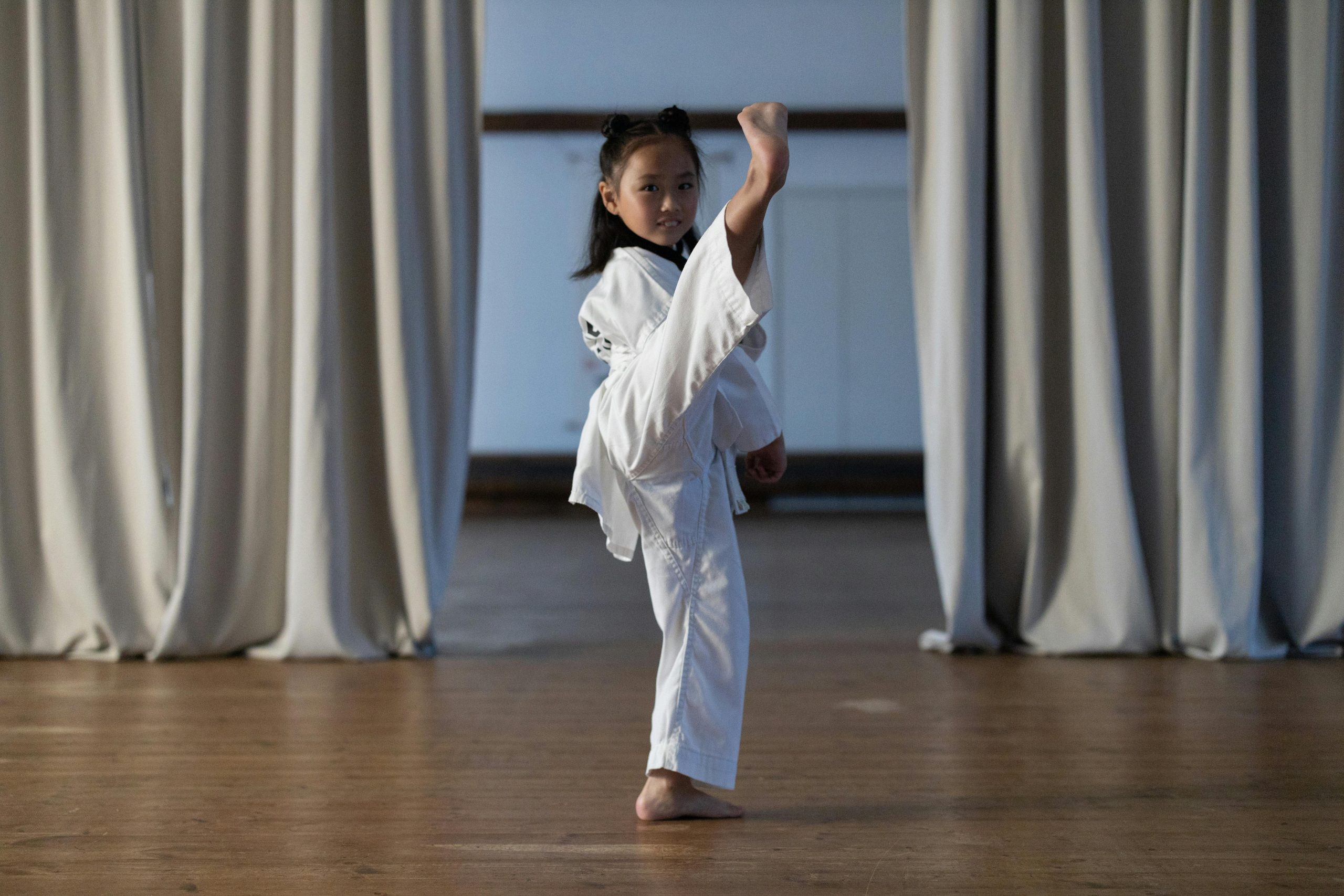
As parents, we’re constantly searching for ways to help our children thrive. We enroll them in tutoring, encourage reading, and ensure they have quiet time for homework. But what if one of the most powerful tools for boosting academic success isn’t found in a textbook, but on the mats of a martial arts studio? While often seen as a physical activity, karate and other martial arts disciplines offer a wealth of benefits that directly translate into improved performance in the classroom.
It’s about more than just kicks and punches; it’s a holistic training ground for the mind, building character traits that are fundamental to learning, focus, and achievement in school and beyond.
Discipline and Focus: The Core of Martial Arts Training
At the heart of any martial arts discipline, particularly karate, lies a rigorous emphasis on discipline and focus. Students learn to follow instructions precisely, stand still and listen attentively, and execute complex sequences of movements with concentration. These skills are not confined to the dojo; they are powerful tools that directly transfer to the classroom environment.
A child who has learned to control their impulses and concentrate during a karate lesson is better equipped to sit through a lecture, pay attention to their teacher, and complete assignments without distraction. This enhanced ability to self-regulate and maintain focus is a cornerstone of academic success, helping students absorb information more effectively and manage their learning tasks more efficiently.
Building Confidence and Self-Esteem: Empowering Learners
Academic challenges can often chip away at a child’s confidence, leading to reluctance to participate, ask questions, or tackle difficult subjects. Martial arts, however, provide a structured environment where children consistently learn and master new skills, from basic stances to intricate forms (katas) and even breaking boards. Each new belt earned is a tangible symbol of progress and achievement.
This steady accumulation of successes, combined with positive reinforcement from instructors, builds a profound sense of self-esteem and self-worth. A child who feels confident in their physical abilities and knows the value of hard work is more likely to approach academic challenges with a “can-do” attitude, translating into greater participation, resilience in the face of mistakes, and improved overall academic performance.
Enhanced Memory and Cognitive Skills: A Sharper Mind
While appearing physical, martial arts training is a highly cognitive activity. Memorizing complex sequences of movements, such as katas, requires significant mental effort, directly enhancing memory and cognitive function. Students must recall long chains of techniques, understand spatial relationships, and execute precise movements in order.
This regular mental exercise strengthens cognitive skills crucial for academic success, including memory recall, critical thinking, and problem-solving. Furthermore, the rapid decision-making required in sparring or self-defense scenarios sharpens mental agility and reaction time. These mental workouts cultivate a sharper, more agile mind that is better equipped to tackle academic challenges, from recalling historical dates to solving complex math problems.
Stress Reduction and Emotional Regulation: Calm Under Pressure
School can be a source of significant stress for children, from test anxiety to social pressures. Martial arts provide a healthy outlet for this stress. The physical activity releases endorphins, which have mood-boosting effects, and the disciplined focus can be a form of active meditation.
Beyond stress reduction, karate teaches valuable lessons in emotional regulation. Students learn to control their reactions, manage frustration, and channel their energy constructively. These skills are invaluable when facing academic pressures, allowing children to approach tests or challenging assignments with a calmer, more controlled mindset, rather than being overwhelmed by anxiety. It fosters a sense of inner peace that aids concentration.
Goal Setting and Perseverance: The Path to Mastery
The belt system inherent in martial arts training is a powerful motivator for teaching children about goal setting and perseverance. Each belt rank represents a specific set of skills to be mastered and a clear goal to work towards. Students learn that achieving higher ranks requires consistent effort, patience, and the ability to push through difficulties and setbacks.
This understanding of long-term commitment and persistence directly translates into academic habits. A child who has learned to work consistently towards a black belt understands that dedication to daily study and homework will lead to academic mastery.
This disciplined pursuit of excellence is a fundamental trait for achieving educational goals and thriving in school. For enriching programs that cultivate these qualities, exploring local karate classes like those offered at Kickin’ Kids After School & Summer Camp can be a valuable step for parents.
Conclusion: A Holistic Approach to Success
Investing in martial arts training like karate offers far more than just physical fitness or self-defense skills. It’s a holistic approach to child development that cultivates discipline, enhances focus, builds confidence, sharpens cognitive abilities, aids in emotional regulation, and instills the invaluable traits of goal setting and perseverance.
These are precisely the qualities that empower children to excel not only in the dojo but, crucially, in the classroom, setting them on a path for lifelong academic achievement and overall success.
