


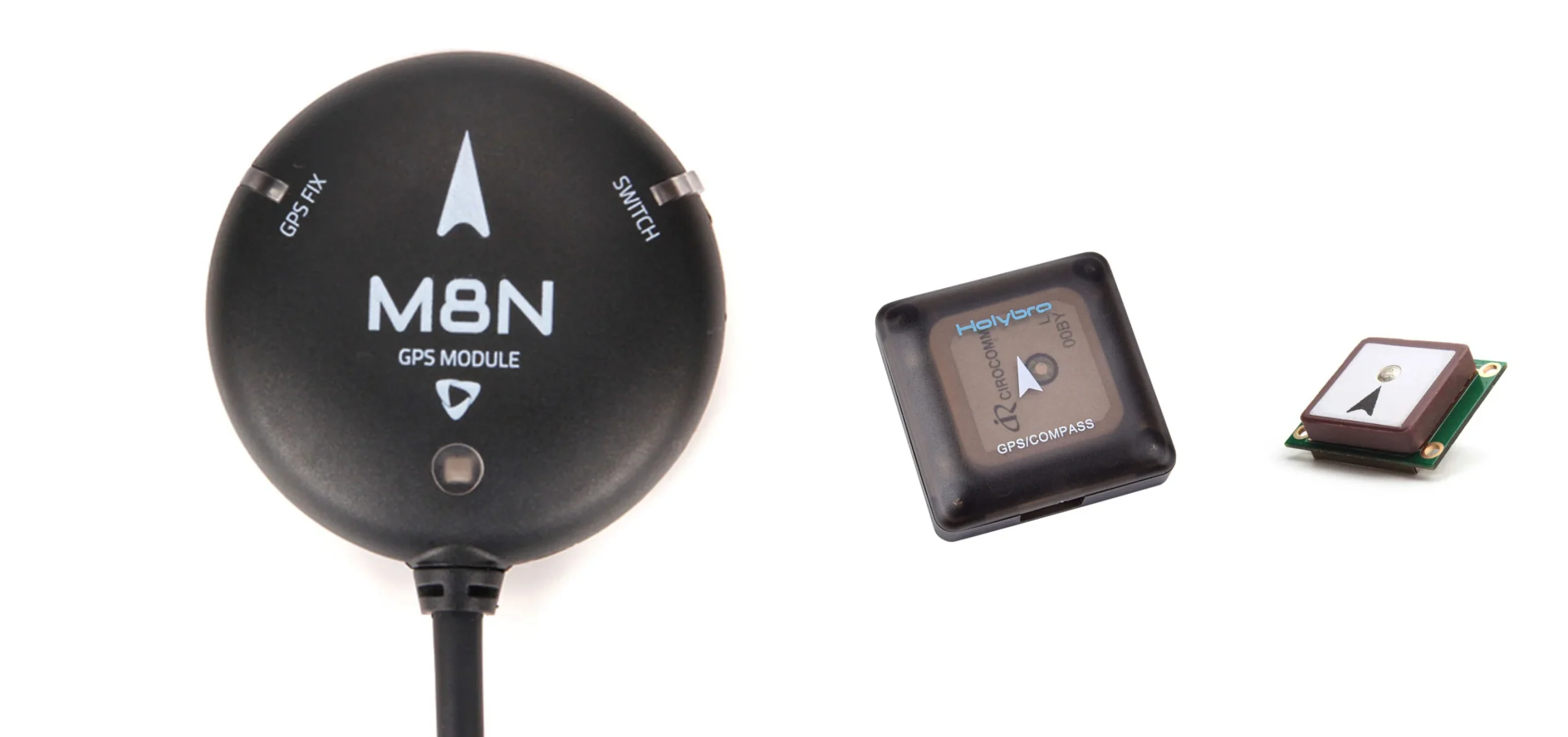
The world of navigation and geolocation is rapidly evolving, driven by advancements in technology and increasing demand for accuracy. Future trends in precision gps and positioning systems are set to revolutionize industries ranging from transportation to agriculture, defense, and urban planning.
Advancements in Satellite Technology
One of the most significant drivers of future trends in precision GPS and positioning systems is the continuous improvement of satellite constellations. Modern satellites are equipped with enhanced atomic clocks and stronger signals, enabling centimeter-level accuracy. Emerging satellite systems such as BeiDou, Galileo, and the next-generation GPS III promise higher reliability, reduced signal interference, and faster positioning capabilities worldwide.
Integration with Artificial Intelligence and IoT
Artificial intelligence (AI) and the Internet of Things (IoT) are transforming how GPS and positioning systems operate. AI algorithms can process vast amounts of geospatial data in real-time, providing predictive navigation, dynamic route optimization, and precise location-based analytics. IoT devices, such as connected vehicles and smart infrastructure, rely heavily on high-precision positioning to coordinate operations efficiently. These innovations mark a crucial aspect of future trends in precision GPS and positioning systems.
Applications Across Industries
High-precision GPS technology is no longer limited to smartphones or navigation devices. Industries such as autonomous vehicles, drone delivery, precision agriculture, and maritime operations are leveraging advanced positioning systems for efficiency and safety. For example, farmers use centimeter-accurate GPS to guide machinery and optimize crop yields, while autonomous cars rely on precise positioning to navigate complex urban environments.
Challenges and the Road Ahead
Despite the promising future, several challenges remain. Signal interference, multipath errors in urban areas, cybersecurity threats, and reliance on satellite infrastructure are key issues that researchers are actively addressing. The integration of multi-frequency signals, AI-based corrections, and hybrid positioning systems are expected to overcome these hurdles, making ultra-accurate positioning accessible to more applications.
Conclusion
The future trends in precision GPS and positioning systems indicate a transformative shift in how we navigate and interact with the world. As technology continues to advance, industries and everyday users alike will benefit from unprecedented accuracy, efficiency, and connectivity in geolocation services. Embracing these trends will be essential for staying competitive in a location-driven future.
