


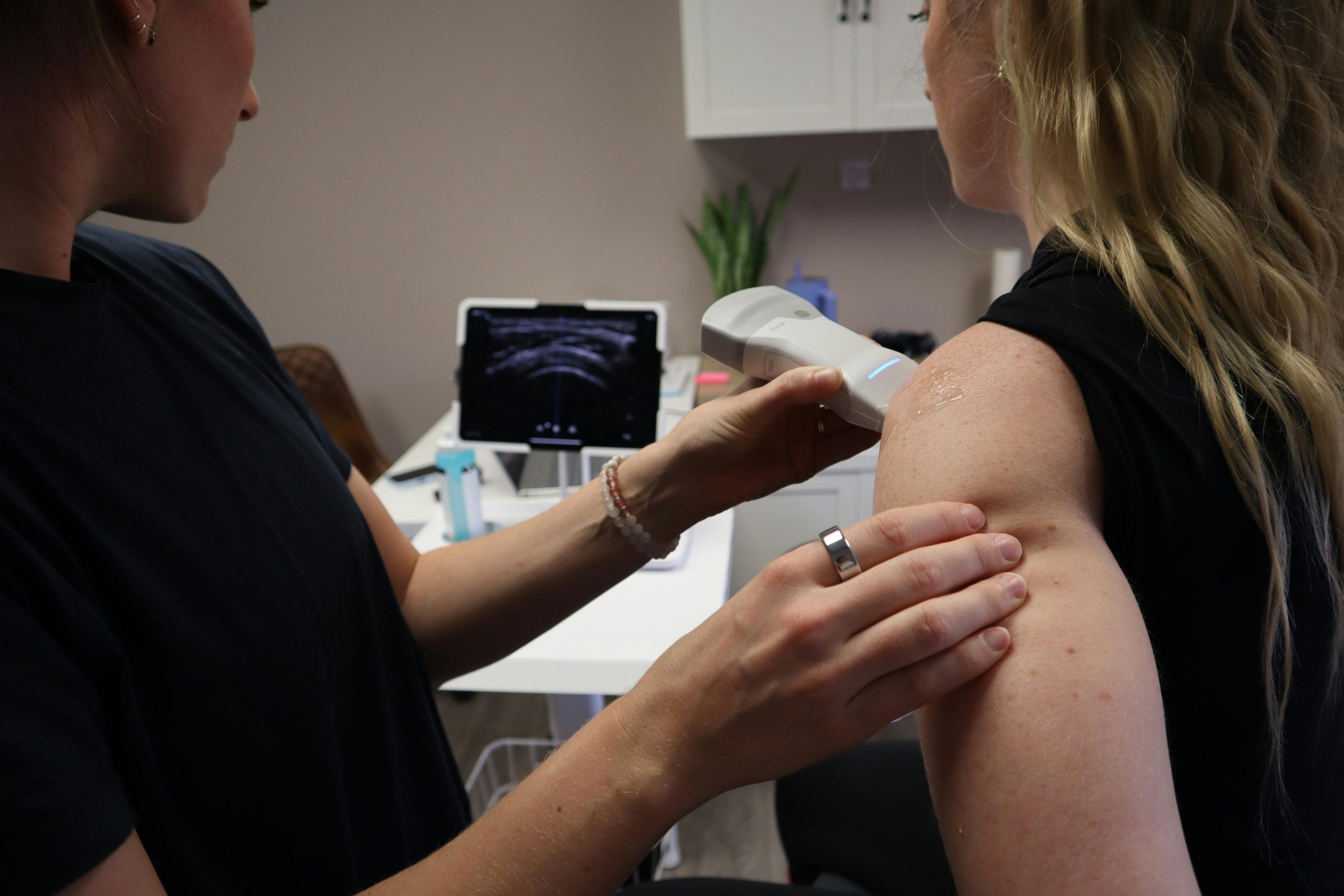
Shoulder replacement surgery is a procedure that replaces damaged parts of the shoulder joint with artificial components. It is usually recommended for people who have severe arthritis, rotator cuff injuries, or other conditions that cause chronic pain and limit movement. The main goal is to reduce pain and restore as much function as possible so patients can return to everyday activities.
Unlike a broken bone that can heal on its own, a shoulder joint with worn cartilage or damaged tissue often needs a surgical solution to improve quality of life. Many people find that medications or physical therapy provide only temporary relief. Understanding the basics can help patients feel more confident when considering this procedure.
Signs You Might Need Surgery
Not all shoulder pain requires surgery. People often consider shoulder replacement when they experience constant pain, stiffness, or difficulty performing everyday tasks like lifting, reaching, or dressing. Pain that continues despite medication, physical therapy, or lifestyle adjustments may indicate that surgery could provide lasting relief.
Other signs include swelling, grinding noises, or a limited range of motion that makes simple tasks difficult. When these symptoms interfere with sleep, work, or hobbies, it is a strong signal to consult an orthopedic specialist. Early evaluation can help determine whether shoulder replacement is the best option and allows patients to make an informed decision about their care.
What to Expect During the Procedure
Shoulder replacement surgery typically takes one to two hours and is performed under anesthesia, so patients remain comfortable and unaware during the procedure. The surgeon carefully removes damaged bone and cartilage and replaces them with an artificial implant designed to mimic the natural movement of the shoulder. The main goal is to restore mobility and reduce pain, allowing patients to resume normal activities more comfortably.
Most procedures are performed in a hospital or outpatient surgical center. Recovery begins almost immediately with gentle, guided exercises, often with the help of a physical therapist. Understanding what will happen before, during, and after surgery helps patients feel more prepared and less anxious, which can contribute to a smoother recovery overall.
Recovery and Physical Therapy
Recovery from shoulder replacement takes time, patience, and consistent care. Initially, the focus is on reducing swelling, managing pain, and beginning gentle movement. Physical therapy is essential for regaining strength and flexibility, and patients typically work with a therapist for several weeks to months.
Most people notice gradual improvements in mobility and a significant reduction in pain within the first few months. Full recovery, including the ability to perform all activities, can take up to six months depending on individual circumstances. Following post-surgery guidelines, staying consistent with exercises, and attending follow-up appointments ensures the best possible outcome. Support from family or caregivers can also make the recovery period more manageable.
Risks and Benefits of Surgery
Like any surgery, shoulder replacement carries some risks, including infection, bleeding, stiffness, or complications with the implant. These risks are generally low, and surgeons take extensive precautions to minimize them. Understanding potential risks helps patients make informed choices about their treatment and feel more confident in their decision.
The benefits of shoulder replacement are often substantial. Most patients experience reduced pain, improved movement, and a better quality of life. Many can return to daily activities, work, or hobbies that were previously limited by shoulder problems. Careful planning, following post-operative instructions, and maintaining physical therapy all contribute to maximizing the benefits of surgery and maintaining long-term joint health.
Conclusion
Shoulder replacement surgery can be life-changing for people living with chronic shoulder pain. It is designed to relieve discomfort, restore mobility, and improve the ability to perform everyday tasks comfortably. Understanding what to expect, recognizing the signs that surgery may be needed, and following recovery guidance are key to achieving successful outcomes.
By learning about the procedure, recovery process, and potential benefits and risks, patients can make well-informed decisions about their health. With proper care, support, and guidance from a qualified orthopedic specialist, shoulder replacement can help individuals regain independence, comfort, and confidence in their daily lives. Taking the time to explore options and ask questions ensures that patients feel prepared and empowered throughout the process.
