


In today’s world, where sustainability and energy conservation are top priorities for homeowners, energy efficiency has become more important than ever. One innovative way to improve energy efficiency while enhancing outdoor living spaces is by installing retractable awnings. These versatile and stylish additions not only provide shade and comfort but also play a significant role in reducing energy consumption. In this article, we will explore how energy efficiency and retractable awning come together to create a perfect pair.
What Are Retractable Awnings?
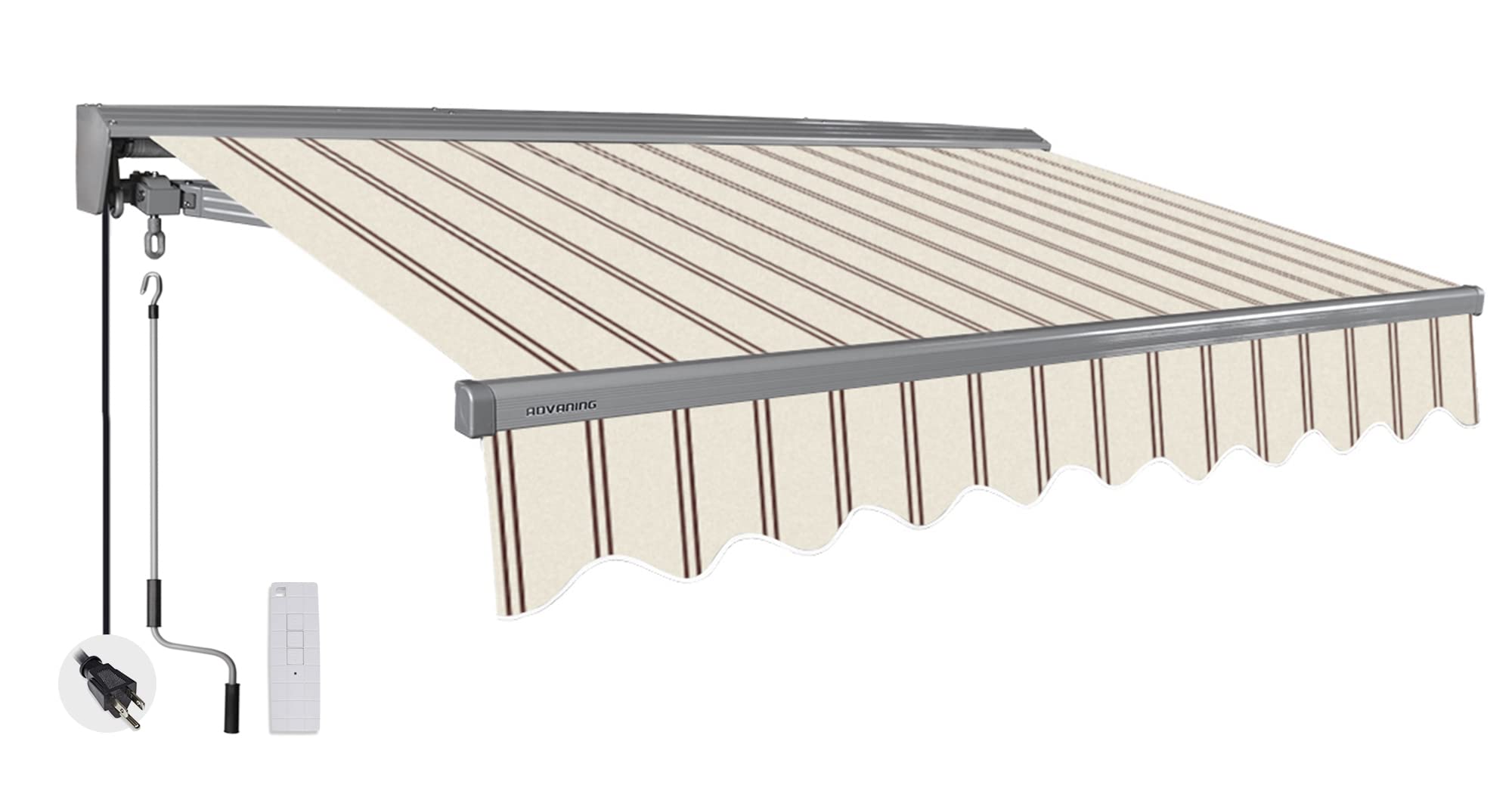
Retractable awnings are structures that can be extended or retracted, usually by a motor or manual mechanism, to provide shade when needed. These awnings are typically installed over windows, patios, or decks, offering protection from the sun’s harsh rays. Their retractable nature gives homeowners the flexibility to choose when they want shade or sunlight.
How Do Retractable Awnings Enhance Energy Efficiency?
One of the key benefits of retractable awnings is their ability to improve energy efficiency in your home. Here’s how:
1. Temperature Regulation
By blocking direct sunlight from hitting windows or outdoor areas, retractable awnings can significantly lower the amount of heat entering your home. During the summer months, this reduces the need for air conditioning, leading to lower energy consumption and cooling costs. In fact, studies show that awnings can reduce the temperature inside your home by up to 20°F, improving overall comfort while lowering utility bills.
2. Reduced Heat Load on HVAC Systems
Air conditioning systems work harder to cool homes when direct sunlight enters through windows or patio doors. By shading these areas with retractable awnings, homeowners can reduce the heat load on HVAC systems, allowing them to operate more efficiently. As a result, homeowners can rely less on their air conditioning, resulting in reduced energy use and longer lifespan for their cooling systems.
3. Protecting Furniture and Interiors
Excessive exposure to sunlight can fade and damage furniture, fabrics, and flooring inside your home. Retractable awnings provide a protective barrier against the sun’s UV rays, helping to preserve your interiors. By reducing the amount of sunlight entering your home, these awnings protect valuable furniture from sun damage, which could otherwise lead to the need for frequent replacements.
The Environmental Impact of Energy Efficiency
Using retractable awnings as part of your home’s energy-efficient design also has positive effects on the environment. By reducing reliance on energy-intensive cooling methods, homeowners can decrease their carbon footprint. As energy consumption decreases, fewer fossil fuels are burned to power air conditioning systems, which in turn helps reduce greenhouse gas emissions.
Incorporating energy-efficient features like retractable awnings into your home design is a small yet impactful way to contribute to sustainability and environmental preservation.
The Cost Savings of Energy Efficiency with Retractable Awnings
While the initial cost of installing retractable awnings may seem significant, the long-term cost savings are well worth it. Homeowners can expect to see a return on their investment through lower energy bills and less reliance on HVAC systems. In fact, many energy-efficient products, including awnings, can pay for themselves over time, making them a smart financial choice for homeowners.
Tax Incentives and Rebates
In some regions, governments offer tax incentives or rebates for homeowners who invest in energy-efficient solutions, such as retractable awnings. These programs encourage homeowners to make eco-friendly choices while reducing their overall installation costs. Be sure to check with local authorities or energy providers to see if you qualify for any rebates.
Choosing the Right Retractable Awning for Energy Efficiency
When selecting a retractable awning, it’s important to consider a few factors to maximize its energy-saving potential:
- Material: Choose fabrics that reflect heat rather than absorb it. Awnings made of reflective materials can block more sunlight and reduce heat buildup inside your home.
- Size and Coverage: Make sure the awning covers enough area to block the sun from windows or outdoor spaces that receive the most sunlight throughout the day.
- Orientation: Proper positioning of the awning is essential. Awnings installed on south-facing windows can block the most heat in warmer climates, while east and west-facing windows benefit from shading in the morning and evening.
Conclusion: A Winning Combination
Energy efficiency and retractable awnings are truly a perfect pair for homeowners looking to reduce their energy consumption while enhancing their outdoor living spaces. By providing shade and regulating temperature, these awnings help reduce the load on HVAC systems, lower utility bills, and contribute to environmental sustainability.
