


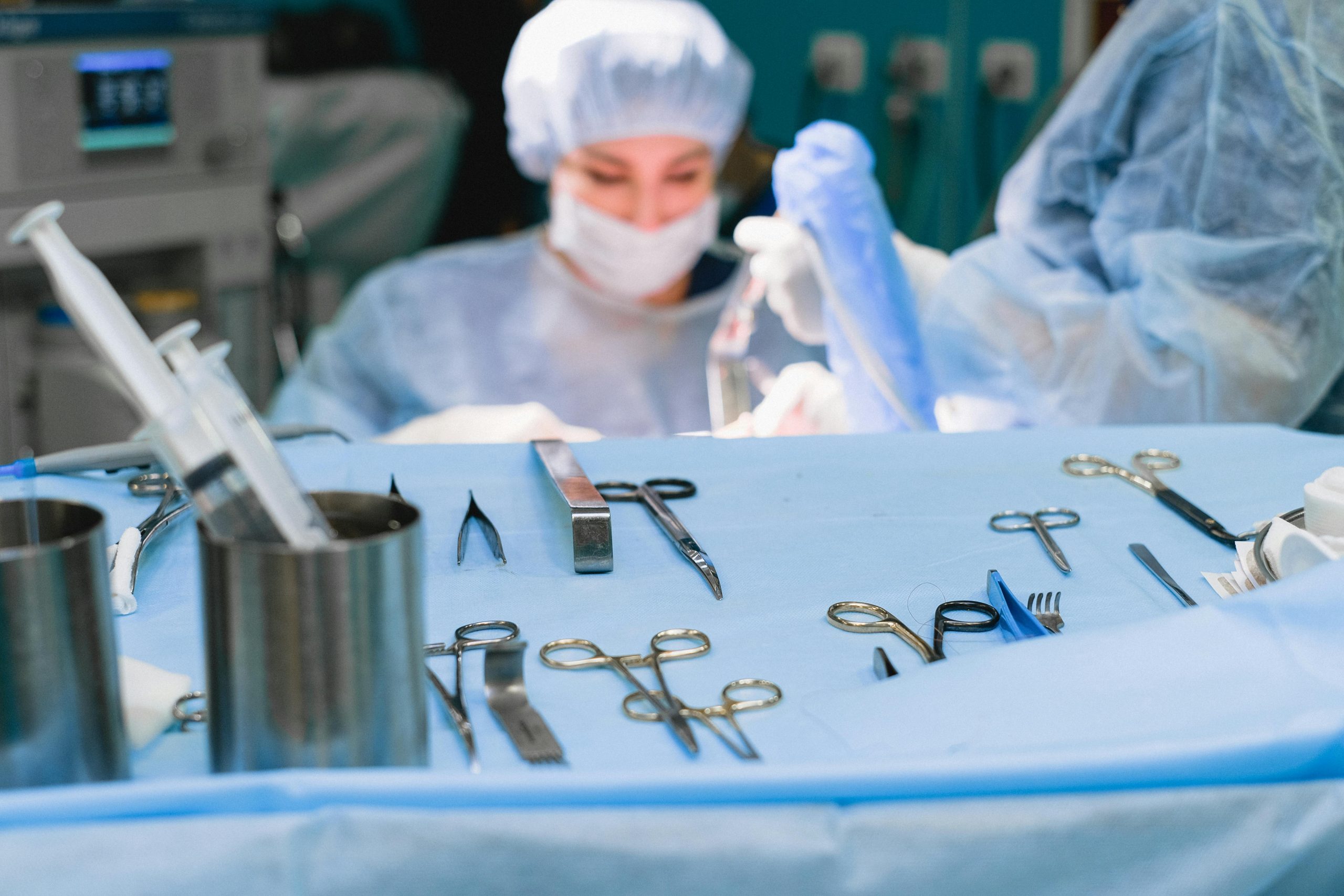
A colorectal cancer diagnosis in your 30s feels like it breaks an unspoken rule. Many of us grow up thinking this is a disease that shows up much later in life. When it happens early, the shock can be just as heavy as the medical reality. Surgery often becomes part of the conversation quickly, and that can feel overwhelming.
Yet more young adults across the United States are facing this situation. Doctors are still studying why rates are rising in younger people. What matters most in the moment is understanding your options and making informed choices. Knowledge can steady you when everything else feels uncertain.
Recognizing Symptoms That Feel Easy to Dismiss
In your 30s, it is easy to blame symptoms on stress or diet. Ongoing stomach pain, changes in bowel habits, or blood in the stool may not seem urgent at first. Fatigue can be brushed off as part of a busy career or parenting schedule. That delay can make diagnosis more complicated.
Many younger patients say they ignored signs because they felt too young for cancer. The colon and rectum are parts of the large intestine, which helps move waste out of the body. When abnormal cells grow there, they can form a tumor that blocks or irritates the bowel. Catching these changes early often improves surgical outcomes and recovery.
Understanding Why Surgery Is Often Necessary
Surgery is the main treatment for most colorectal cancers. The goal is to remove the tumor along with a small margin of healthy tissue around it. This helps lower the chance that cancer cells are left behind. In some cases, nearby lymph nodes are also removed to check if the cancer has spread.
For younger adults, the word surgery carries extra weight. You may be thinking about fertility, career plans, or caring for young children. Procedures vary depending on where the tumor is located and how advanced it is. Learning about <a href=”https://www.southshorehealth.org/cancer/multispecialty-care/gastrointestinal”>colorectal cancer surgery</a> can make the process feel less mysterious and more manageable.
Preparing for Physical and Emotional Impact
The physical side of surgery is only part of the story. Recovery may involve a hospital stay, temporary diet changes, and a gradual return to normal activity. Some patients may need a temporary or permanent ostomy, which is an opening in the abdomen that allows waste to leave the body into a bag. While that sounds frightening at first, many people adjust well with guidance and support.
Emotionally, early-onset cancer can feel isolating. Friends your age may not know how to respond, and you may struggle with anger or fear. Speaking with a counselor or joining a support group can help you process these feelings. It is not weakness to admit that this chapter is hard.
Balancing Treatment With Daily Life
Life does not pause just because you have surgery scheduled. Many people in their 30s are building careers or raising families. Coordinating time off work and arranging help at home requires planning and honest conversations. Creating a simple schedule for appointments and recovery milestones can reduce stress.
Open communication with your medical team is just as important. Ask about pain control, expected healing time, and when you can return to normal activities. Small details, like when you can drive again or lift your child, matter deeply. Clear answers can help you regain a sense of control.
Looking Toward Long-Term Health
After surgery, follow-up care becomes part of your routine. This may include regular scans, blood tests, or colonoscopies, which are camera exams of the colon. These checks help ensure that cancer has not returned. Staying consistent with appointments is one of the most powerful steps you can take.
Lifestyle changes can also support recovery and long-term health. Eating a balanced diet, staying active, and limiting alcohol are practical steps that make a difference. While you cannot rewrite the diagnosis, you can shape what comes next. Many survivors say this experience reshaped their priorities in unexpected ways.
Conclusion
Facing colorectal cancer in your 30s can feel unfair and surreal. Surgery may sound intimidating, but it often offers the best path forward. Understanding what the procedure involves and how recovery unfolds can reduce fear.
You are not alone in navigating early-onset cancer. With the right medical team and support system, many young adults move through surgery and into meaningful, full lives. The journey is not simple, but it is one that countless others have walked before you. Knowledge, preparation, and connection can make that path steadier.
