


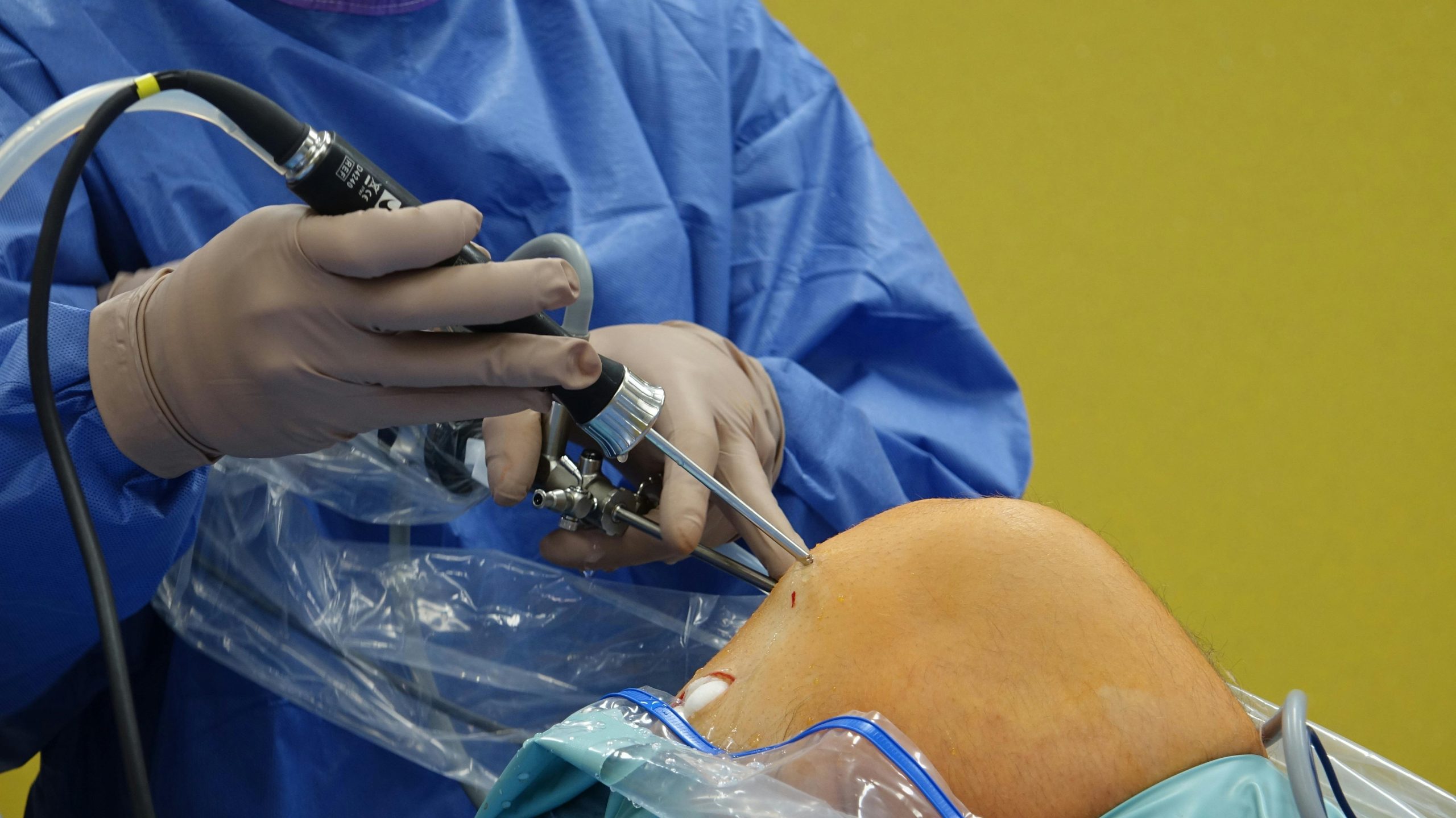
The first night home after knee surgery can feel surprisingly emotional. You are grateful the procedure is behind you, yet suddenly very aware of every movement. The bed that once felt comforting now feels like a puzzle to solve. Sleep may not come easily at first, but that does not mean it is out of reach.
Your body does most of its healing while you rest. Muscles repair, swelling slowly decreases, and your energy begins to rebuild. When sleep is short or broken, recovery can feel slower and more frustrating. Learning how to position your knee and prepare for bed can make a real difference.
Finding Positions That Promote Proper Alignment
Sleeping on your back is often the safest and most comfortable option in the early weeks. This position keeps your leg straight and prevents awkward twisting. Placing a pillow under your calf and ankle helps elevate the leg without bending the knee too much. Gentle elevation can reduce swelling and ease pressure.
It is important not to put a pillow directly under the knee for long periods. While it may feel good in the moment, it can encourage the joint to stay slightly bent. Over time, that bend can make it harder to fully straighten your leg. Keeping the knee supported yet extended helps protect your long-term mobility.
Adjusting Side Sleeping With Extra Support
If you have always been a side sleeper, lying flat on your back may feel unnatural. In many cases, side sleeping is still possible with the right setup. Placing a firm pillow between your legs keeps the healing knee from pressing inward. This cushion also keeps your hips aligned, which reduces strain.
Make sure the operated leg stays in a neutral position, meaning it is not twisted forward or backward. A body pillow can provide added stability if you tend to move in your sleep. Take your time settling in, and avoid sudden turns. Small, careful adjustments protect the joint while it heals.
Managing Pain Before You Turn Out the Lights
Nighttime often makes discomfort feel louder. Without daytime distractions, even mild throbbing can seem intense. Taking prescribed medication as directed, usually about half an hour before bed, can help you relax. Ice packs used earlier in the evening may also calm swelling.
Creating a steady bedtime routine can signal to your body that it is time to wind down. Light stretching approved by your physical therapist may ease stiffness. A few slow, deep breaths can quiet racing thoughts. These simple steps can make falling asleep feel less like a struggle.
Creating a Space That Supports Recovery
Your bedroom setup matters more than you might expect. A mattress that offers firm support helps keep your leg aligned. Keep extra pillows nearby so you can adjust without fully getting up. Having water, medication, and your phone within reach limits unnecessary movement.
Temperature and lighting also play a role in comfort. A slightly cool room often feels soothing to inflamed joints. Soft lighting before bed can help your brain shift into sleep mode. Small environmental changes can turn a restless space into a calming one.
Understanding Sleep After Major Procedures
If you have undergone knee replacement surgery, patience becomes part of the process. The joint has been carefully repaired or replaced, and surrounding tissues need time to settle. Swelling and stiffness may linger for several weeks. That does not mean something is wrong; it often means healing is underway.
Sleep may improve gradually rather than all at once. You might wake during the night to shift positions or use the restroom. Short daytime rests can help, but try not to nap too long. Staying consistent with physical therapy can ease discomfort and support better sleep over time.
Conclusion
Sleeping after knee surgery can feel like an unexpected challenge. The discomfort, combined with fear of moving the wrong way, can keep you on edge. Still, thoughtful positioning and a calm routine can ease much of that worry.
As your knee grows stronger, nights usually become more peaceful. Paying attention to alignment, managing pain wisely, and creating a supportive environment all contribute to deeper rest. Recovery takes time, but each restful night moves you closer to feeling like yourself again. Your body is healing, even when sleep feels imperfect, and that progress is worth remembering.
