


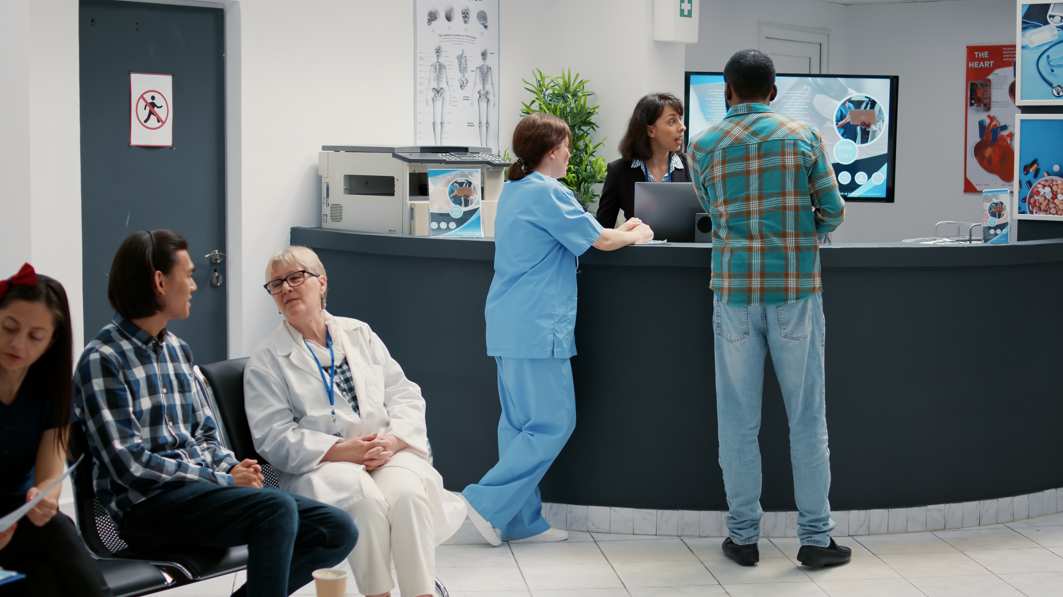
Healthcare environments have traditionally been designed with functionality in mind, but a growing body of research reveals that the visual environment plays a crucial role in patient outcomes. Art in hospitals is no longer just decorative—it’s therapeutic. From calming landscapes to abstract forms, thoughtfully selected artwork is transforming sterile medical spaces into healing environments that actively support recovery.
The Science Behind Art and Healing
The connection between visual stimuli and physiological responses is well-documented. When patients view art that evokes positive emotions, their bodies respond in measurable ways. Stress hormones decrease, heart rates stabilize, and the perception of pain can diminish. This biological response isn’t simply psychological—it represents a tangible shift in how the body processes stress and discomfort.
Hospital settings inherently trigger anxiety. The unfamiliar surroundings, clinical smells, and constant activity can leave patients feeling vulnerable and overwhelmed. Art serves as a visual anchor, providing something familiar and contemplative to focus on. This distraction isn’t mere diversion; it’s a redirection of neural pathways away from pain and worry toward engagement and reflection.
Creating Spaces That Support Recovery
The design of healthcare spaces has evolved considerably. Organizations like The Chessler Company have recognized that thoughtful art curation can fundamentally change how patients experience medical care. Rather than treating art as an afterthought, progressive healthcare facilities now integrate it into their core design philosophy.
Nature-themed imagery has proven particularly effective in reducing patient anxiety. Scenes depicting water, forests, and open skies trigger associations with peace and safety. These images tap into something primal—our innate connection to the natural world. For patients confined to rooms and unable to access outdoor spaces, such artwork provides a visual escape that can lower blood pressure and improve mood.
Beyond Aesthetics: The Functional Role of Hospital Art
The placement and selection of art in medical settings requires careful consideration. Waiting areas benefit from engaging pieces that provide visual interest without causing overstimulation. Patient rooms call for calming, contemplative works that support rest and healing. The goal isn’t to impress but to soothe, creating an atmosphere where recovery feels possible.
Color psychology plays a significant role in these decisions. Cool tones like blues and greens generally promote relaxation, while warmer hues can energize and uplift. Abstract works allow for personal interpretation, giving patients a sense of engagement and mental stimulation without demanding too much cognitive effort during vulnerable times.
Impact on Staff and Visitors
While much attention focuses on patient outcomes, art in hospitals also supports healthcare workers and visitors. Medical staff face high-stress environments daily, and visual respites throughout facilities can provide brief moments of mental restoration. Families keeping vigil alongside loved ones find comfort in spaces that feel less institutional and more humane.
The cumulative effect creates a culture shift within healthcare facilities. When hospitals prioritize the visual environment, they signal a commitment to holistic care—an acknowledgment that healing involves more than medical procedures. This philosophy extends to every touchpoint of the patient experience.
Implementing Therapeutic Art Programs
Healthcare facilities exploring art integration should consider their patient population and institutional values. The artwork should reflect the community it serves while avoiding potentially distressing imagery. Consultation with art advisors who understand healthcare environments can ensure selections support therapeutic goals.
Rotating exhibitions can keep spaces feeling fresh while allowing facilities to respond to seasonal changes or community events. Digital displays offer flexibility, though original artwork often carries more emotional weight and authenticity.
The Future of Healing Environments
As evidence mounts regarding art’s impact on recovery, more healthcare systems are investing in comprehensive art programs. This shift represents a broader understanding of what healing requires—not just medicine and technology, but environments that nurture the human spirit.
The question is no longer whether art belongs in hospitals, but how to implement it most effectively. By treating the visual environment as integral to patient care, healthcare facilities can reduce anxiety, support faster recovery, and create spaces where healing feels natural rather than clinical.
